Get Radiator Heating Installation
Radiator heating installation services help property owners solve heating issues by installing or replacing radiators in various residential or commercial projects with qualified local contractors.
Property owners considering radiator heating installation often explore this option for its reliable warmth and efficient heat distribution. Whether upgrading an existing system or installing heating in a new space, choosing experienced local contractors can help ensure the project is planned carefully and executed smoothly. Comparing available service providers allows property owners to find solutions tailored to their specific needs, making it easier to develop a practical approach to heating upgrades or new installations.
By exploring the options available in the local area, property owners can better understand the range of services and expertise offered by different contractors. This research supports informed decision-making when planning heating projects, helping to identify professionals who can deliver quality work aligned with individual property requirements. Continuing to read can provide valuable insights into how to connect with trusted local service providers for radiator heating installation.
- Radiator Heating Installation - needed when upgrading an existing heating system for improved warmth and efficiency.
- New Construction Radiator Setup - required for building new homes or extensions that need reliable heating solutions.
- Retrofit Radiator Replacement - appropriate when replacing outdated or malfunctioning radiators in a property.
- Custom Radiator Design and Installation - suitable for homeowners seeking tailored heating solutions to match interior aesthetics.
- Radiator System Troubleshooting and Repair - necessary when experiencing uneven heating or radiator leaks in an existing setup.
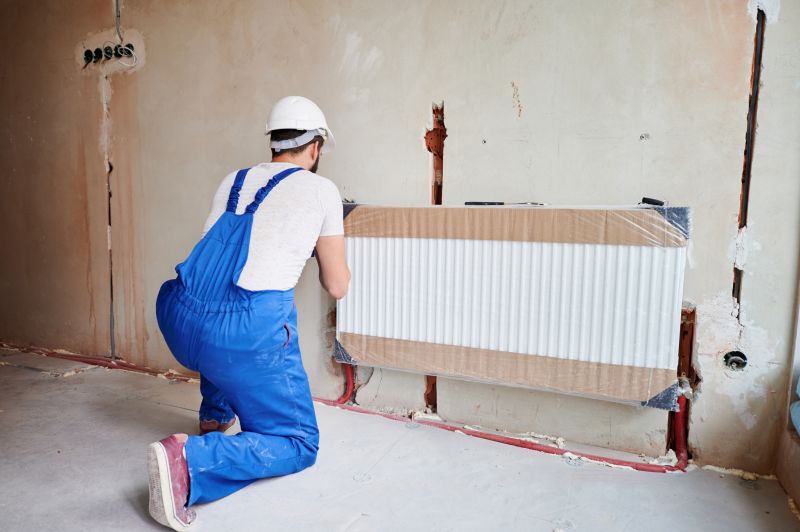
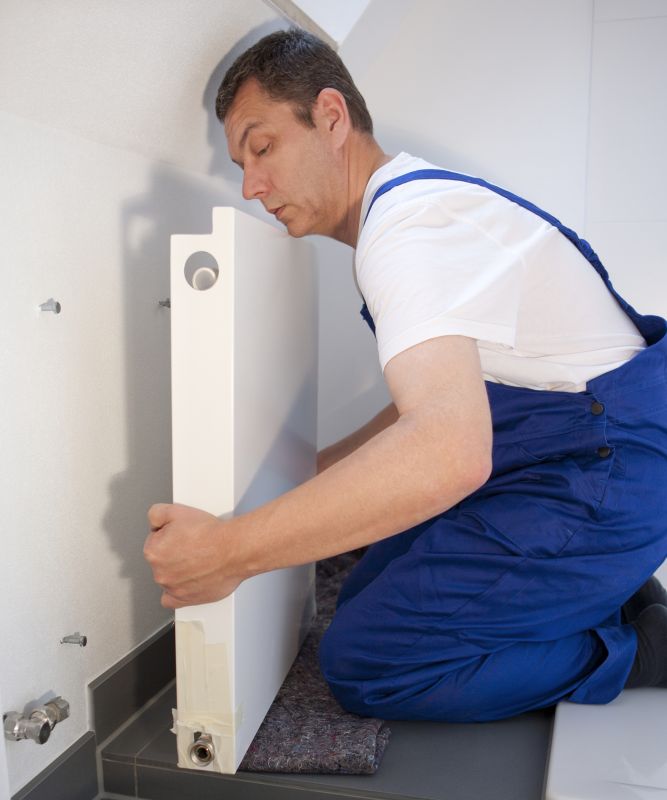
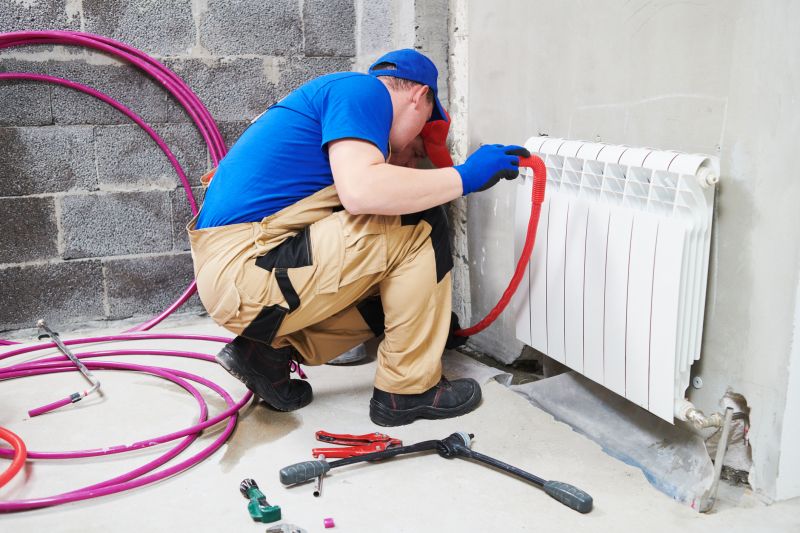
Radiator heating installation involves setting up a system that uses radiators to distribute heat throughout a property. This process typically includes selecting appropriate radiators, installing piping or plumbing connections, and integrating the system with the existing infrastructure. Skilled service providers ensure that the installation is efficient and properly configured to provide consistent warmth across rooms, helping homeowners achieve a comfortable indoor environment during colder months.
This type of heating service is often sought to address issues such as uneven heating, outdated or inefficient heating systems, or the need for a more reliable heat source. Radiator systems are effective at maintaining steady temperatures and can be a practical solution for homes experiencing cold spots or high energy bills due to inefficient heating methods. Local contractors can assess the property’s layout and recommend suitable radiator options, ensuring the system functions optimally for the specific space.
Properties that typically use radiator heating installation include older homes with existing radiator infrastructure, as well as new constructions designed with radiator systems in mind. This service is suitable for residential properties of various sizes, from single-family houses to multi-story homes. Radiator heating can also be integrated into renovations or upgrades, providing an effective way to improve heating performance without extensive remodeling.
Homeowners who notice their current heating system is underperforming, noisy, or costly to operate may consider radiator installation as a practical upgrade. It’s also a good choice for those seeking a heating solution that offers quiet operation and consistent heat distribution. Local service providers can help evaluate the property’s needs, recommend appropriate radiator types, and handle the installation process to ensure a reliable and efficient heating system.
The overview below groups typical Radiator Heating Installation projects into broad ranges so you can see how smaller, mid-sized, and larger jobs often compare in your area.
In many markets, a large share of routine jobs stays in the lower and middle ranges, while only a smaller percentage of projects moves into the highest bands when the work is more complex or site conditions are harder than average.
Smaller Repairs - typical costs for minor radiator repairs or adjustments generally range from $250 to $600. Many routine service jobs fall within this middle range, depending on the extent of work needed.
Full Replacement - replacing an entire radiator heating system can cost between $3,000 and $7,000 for most homes. Larger or more complex installations may push costs above $8,000, though these are less common.
System Upgrades - upgrading existing radiator components or adding new zones typically costs between $1,000 and $3,500. Many projects in this category stay within this range, with fewer reaching higher amounts due to complexity.
Labor and Miscellaneous - labor charges for radiator heating installation services usually range from $50 to $150 per hour. Additional costs for permits or materials can vary, but local contractors provide estimates based on project scope.
Actual totals will depend on details like access to the work area, the scope of the project, and the materials selected, so use these as general starting points rather than exact figures.
Hydronic Floor Heating Installation - professionals who install radiant floor systems often have similar skills in piping, layout planning, and working with heating components as those installing radiator systems.
Baseboard Heating System Setup - these projects require knowledge of hot water or electric heating elements, pipe fitting, and space planning, aligning with radiator installation expertise.
Hydronic Radiator Conversion - converting existing heating systems to hydronic setups involves similar planning, piping, and installation skills used in radiator installation services.
Steam Heating System Installation - installing steam-based radiators requires understanding of boiler connections and pipework, comparable to hot water radiator setup processes.
HVAC Ductwork and Piping - designing and installing duct systems or piping for heating systems shares planning and technical skills with radiator installation projects.
Heating System Troubleshooting and Repair - diagnosing and fixing issues in various heating setups involves skills applicable to installing and maintaining radiator heating systems.
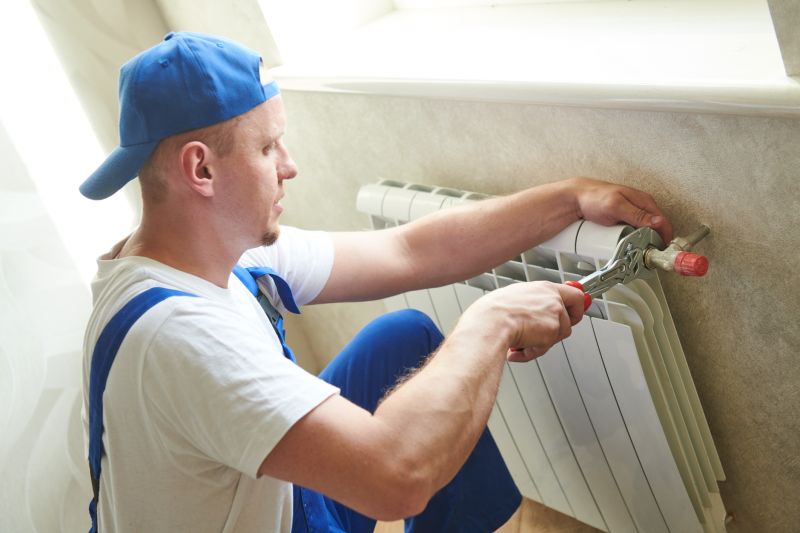
When comparing local contractors for radiator heating installation, it’s important to consider their experience with similar projects. Homeowners should look for service providers who have a proven track record of successfully completing radiator heating systems in homes comparable to their own. This can provide confidence that the contractor understands the specific challenges and requirements of such installations, leading to a smoother process and a reliable outcome.
Clear, written expectations are essential when evaluating potential service providers. Homeowners should seek contractors who can provide detailed descriptions of the scope of work, materials to be used, and the steps involved in the installation. Having this information in writing helps ensure everyone is aligned on the project’s goals and reduces misunderstandings, making it easier to compare options and select a professional who can meet specific needs.
Reputable references and good communication are also key factors in choosing a local contractor. Homeowners can ask for references from previous clients to gain insights into the contractor’s reliability, quality of work, and professionalism. Additionally, a service provider who communicates clearly and promptly can make the process more straightforward and less stressful. While this site introduces homeowners to local options, it is important to contact and vet each contractor directly to find those best suited to handle the project effectively.
Property owners use Radiator Heating Installation services for practical projects around their homes and businesses. This guide focuses on everyday jobs and straightforward project options.
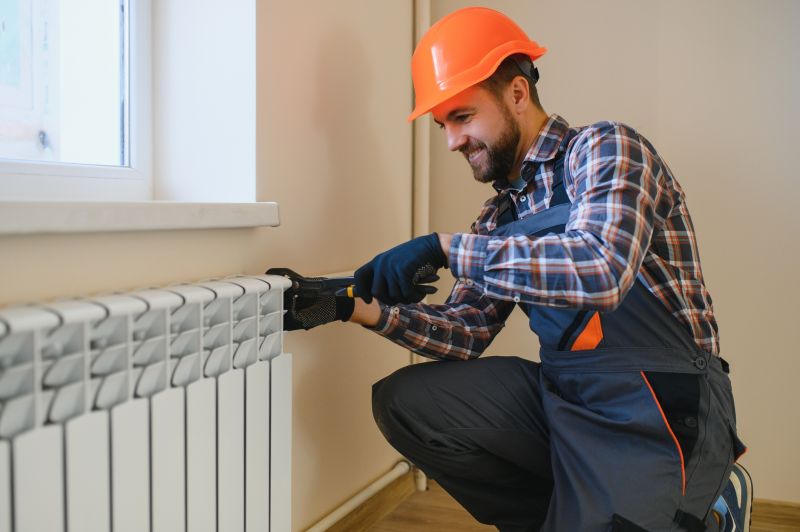
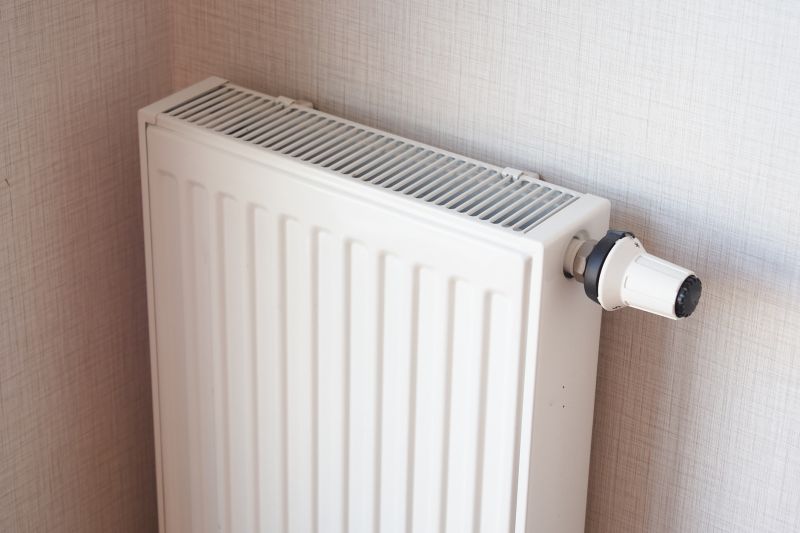
Radiator heating installation is a common project for property owners looking to improve comfort and efficiency in their homes or commercial spaces. Local contractors often handle these jobs when old systems need upgrading or new buildings require reliable heating solutions. Property owners might seek out these services to replace outdated radiators, add additional units to expand heating capacity, or ensure their heating systems operate more effectively during colder months.
Many property owners turn to local service providers for radiator installation when they want a straightforward, dependable way to maintain a warm indoor environment. Whether installing radiators in new construction or replacing existing units, local contractors can assist with the technical aspects of the work. This helps property owners achieve a comfortable living or working space without the hassle of managing the installation process themselves.
What types of radiator heating installation services are available? Local contractors offer a range of radiator installation options, including traditional cast iron radiators, modern panel radiators, and custom solutions tailored to specific heating needs.
How do I know if radiator heating is suitable for my home? Service providers can assess your space, existing heating system, and insulation to determine if radiator heating is a practical and efficient option for your property.
What should I consider before installing radiator heating? Factors such as room size, existing plumbing, and energy efficiency goals are important considerations that local contractors can help evaluate.
Are there different types of radiator systems I can choose from? Yes, options include hot water (hydronic) radiators, steam radiators, and electric radiators, with local service providers able to recommend the best fit for your needs.
What is involved in the process of installing radiator heating? Installation typically includes designing the layout, connecting to the existing heating source, and ensuring proper placement, all handled by experienced local contractors.
Upgrade to Radiator Heating - Property owners can improve home comfort by installing radiator heating in living spaces and bedrooms for even warmth.
Add Zone Controls - Installing zone controls allows for customized temperature settings in different rooms, enhancing energy efficiency and comfort.
Replace Old Radiators - Upgrading outdated radiators can increase heating efficiency and reduce energy consumption throughout the property.
Plan for New Construction - Incorporating radiator heating into new building projects ensures a reliable and consistent heat source from the start.
If you are thinking about Radiator Heating Installation for a property, this guide is meant to help you understand the work, the typical project types, and how different options might fit your plans.
When you are ready, you can use the quote form on this page to share a few details about your project. From there, local pros can review the basics and respond with options that match what you have in mind.